Brands Discovered 'Unhinged Cat Lady Energy' and Now They Won't Stop
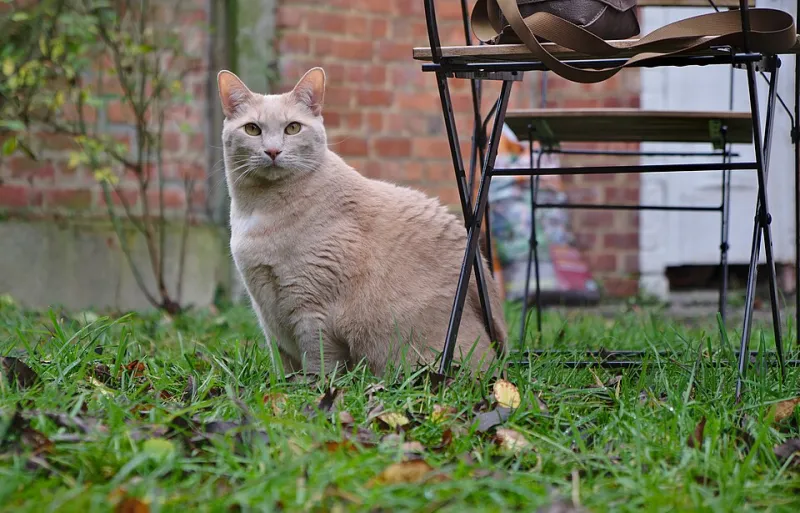
Photo: Trougnouf, CC BY 4.0, via Wikimedia Commons
There is a specific kind of unhinged that lives on the internet. It smells like three-day-old coffee, it posts at 2 a.m. about its cat knocking a full glass of water off the counter again, and it does not care what you think about it. It is authentic. It is chaotic. It is, frankly, a little feral.
And corporations have spent the last four years trying to bottle it.
Welcome to what we at CatPepe are calling the Cat Posting Industrial Complex — the sprawling, quietly terrifying machinery through which major brands have learned to cosplay as your most unhinged mutuals in order to sell you things you absolutely did not need before they made you laugh.
The Origin Story Nobody Asked For
The lineage here is not complicated, but it is deeply embarrassing for everyone involved. Somewhere around 2018, a few social media managers at mid-sized companies noticed something: the accounts getting the most engagement were not polished. They were weird. They were posting blurry photos of their cats sitting on laptops, captioning them things like "he is helping with the quarterly report" and collecting hundreds of thousands of likes from people who felt, for one brief moment, genuinely seen.
The authentic weirdness of cat posting — the specific, low-stakes chaos of living with an animal that operates on pure id — resonated in a way that no amount of lifestyle photography could replicate. People trusted it. People loved it.
So naturally, brands destroyed it.
How the Sausage Gets Made (It Is Cat-Shaped)
Here is the process, roughly: a real person posts something genuinely unhinged about their cat. It goes viral because it is true — because it captures something specific and weird about the experience of loving a creature that would absolutely let you die if it got bored enough. A brand's social media team screenshots it, runs it through a committee of twelve people, and emerges three weeks later with a version that has all the chaos and none of the soul.
You have seen this. You know exactly what this looks like. It is the energy drink company tweeting "me: I should sleep / my cat at 3 a.m.: [image of product]" and somehow expecting you not to notice that a can of caffeinated sugar water has been inserted into a format that previously required zero products whatsoever.
It is the financial app — and there are so many financial apps doing this now — that posts about being "a little unhinged about budgeting" alongside a stock photo of a cat sitting on a pile of money. It is the fast food chain that discovered the phrase "feral behavior" and has since applied it to every promotional item on its menu.
The tell is always the same: the chaos is contained. There are no real stakes. The cat never actually breaks anything expensive. The mess is always charming rather than genuinely inconvenient. It is the uncanny valley of relatable content — close enough to real to register, but sterile enough that legal approved it on the first pass.
The 'Millennial Humor' Pipeline
What these brands are really selling is not a product. It is the feeling of being understood — which is, historically, something that costs nothing and is now apparently a competitive market.
The specific flavor being strip-mined here is what gets lazily labeled "millennial humor": self-deprecating, exhausted, deeply fond of animals as coping mechanisms, and fluent in the particular irony of caring intensely about something the world has decided is trivial. Cat content lives at the center of all of this. Cats are the mascot of people who are holding it together by exactly one thread and have chosen to find that funny.
Brands clocked this and decided it was a tone they could adopt rather than a condition they were observing. The result is a strange kind of emotional cosplay — a Fortune 500 company performing the aesthetic of someone whose life is gently falling apart, in order to sell that person a subscription service.
And the wild part? It works. Not always, and not on everyone, but often enough that the strategy has metastasized across industries with the enthusiasm of a cat discovering an open cabinet door.
The Authenticity Arms Race
The deeper problem is what this does to the ecosystem. When brands flood a space with imitation chaos, the real stuff has to get weirder to stand out. The people who were posting genuinely unhinged cat content in 2018 now have to compete with a Wendy's account that has been algorithmically optimized to seem unhinged, and the only way to win that competition is to go further.
Which some people absolutely do, and good for them. But a lot of original creators just get drowned out — their authentic weirdness made invisible by the sheer volume of corporate-approved pandemonium filling the same feeds.
There is also something specifically exhausting about watching a brand perform the aesthetic of burnout. When a human posts at 2 a.m. about their cat and their existential dread, there is a real person behind it. When a brand does the same thing, there is a content calendar, a brand safety review, and a VP of Digital Engagement who signed off on the word "unhinged" after confirming it tested well in the 25-34 demographic.
What the Cats Think
The cats, for the record, are not consulted in any of this. They continue to knock things off counters for reasons that remain philosophically opaque. They sit on laptops. They yell at walls. They perform chaos with total sincerity and zero awareness that a room full of marketers has been taking notes.
In this, they remain the only truly authentic participants in the entire ecosystem. The cat does not know it is a brand. The cat does not have a content strategy. The cat simply is — feral, specific, and completely indifferent to quarterly engagement metrics.
Maybe that is the real reason cat content keeps working even as the machinery around it grows more elaborate and cynical. The cat itself is incorruptible. You can put a logo next to it. You can caption it with a promotional code. You can A/B test the font on the text overlay.
The cat will still just be sitting there, knocking your coffee off the desk, utterly unbothered by your entire marketing strategy.
And honestly? That is the most relatable thing on the internet.