Someone Is Donating $40,000 a Month to Watch a Cat Sleep and Honestly? Respect.
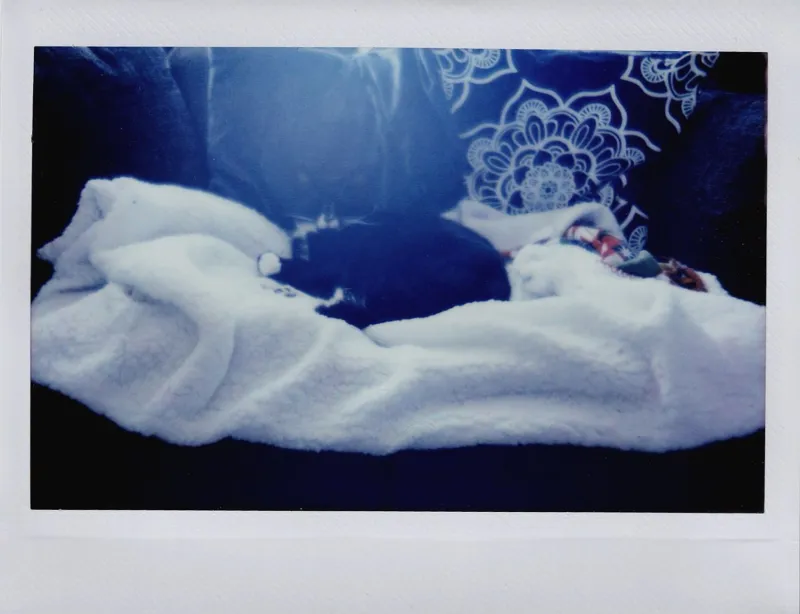
At 2:47 on a Tuesday morning, a tabby named Biscuit shifts from his left side to his right side on a fleece blanket in suburban Ohio. The stream has 4,200 concurrent viewers. The chat explodes. Someone donates $50. Another person types, in all caps, "HE MOVED." A subscriber tier called "Biscuit's Inner Circle" — which costs $24.99 per month — lights up with custom emotes.
This is not a glitch in the simulation. This is just Tuesday on Twitch now.
The Nap-Cam Gold Rush Nobody Predicted
Somewhere between the fall of traditional TV and the rise of the parasocial economy, a very specific type of content crept into the mainstream: unedited, unscripted, 24-hour livestreams of people's cats doing absolutely nothing of consequence. No commentary. No narrative arc. No plot. Just a camera pointed at an animal that fundamentally does not care that it's being watched.
And yet, these streams are printing money.
According to publicly available Twitch data and streamer-reported earnings on platforms like Patreon and Ko-fi, the top tier of pet-cam streamers are pulling in anywhere from $15,000 to $60,000 per month in combined subscriptions, donations, and brand integrations. That's not a typo. That's a full-time salary — multiplied by five — for broadcasting a creature that spends 16 hours a day unconscious.
The streamers themselves are often not even present. The cat is the streamer. The human is just the camera operator, the IT department, and the person who occasionally refills the water bowl on-screen to a chorus of chat-wide celebration.
Who Is Funding This and Why Are They Like This (Affectionately)
The audience breakdown for these streams is, depending on your perspective, either deeply wholesome or a sociological case study in late-stage loneliness. Probably both.
Regular viewers — and "regular" is doing a lot of work here — tend to fall into a few archetypes. There's the overnight crowd: night-shift workers, insomniacs, and people in time zones where nothing else is live. There's the ambient viewer, who runs the stream in a background tab the way earlier generations left the TV on for noise. And then there's the invested viewer — the ones who have watched long enough to know the cat's sleep schedule, favorite blanket position, and approximate mood based on ear placement.
This last group is the financial engine. They're the ones buying tiered subscriptions, sending "bits" during particularly compelling nap transitions, and commissioning custom emotes of the cat's most iconic poses. They're also, not coincidentally, the ones generating the chat drama.
And there is so much chat drama.
The Hierarchy Is Real and It Is Petty
Every successful cat livestream eventually develops what can only be described as a shadow government of loyal viewers who take the community extremely seriously. There are moderators who have been "with the stream" since the early days and are not shy about enforcing the vibe. There are subscriber tiers with increasingly absurd names — "Whisker Tier," "Paw Patrol Elite," "Chosen of the Floof" — each conferring different levels of social status in chat.
New viewers who make the mistake of calling the cat by the wrong nickname, questioning whether the cat is "actually comfortable" in that position, or — God forbid — suggesting the stream is "just a cat" are dealt with swiftly. Not with cruelty, exactly. More like the polite but firm energy of someone being corrected by a medieval guild.
The parasocial architecture here is genuinely fascinating. Unlike a human streamer, the cat cannot acknowledge donations, respond to chat, or play favorites. This creates a bizarre equality — everyone is equally ignored by the cat — but it also means the community fills the void. Viewers perform their loyalty to each other rather than to the subject. The cat is essentially a shared deity: present, indifferent, and unquestionably central.
The Economics Are Weirder Than You Think
Beyond subscriptions and donations, the cat-cam economy has spawned a cottage industry of adjacent revenue streams that would make a business school professor cry into their spreadsheets.
Some streamers have launched merchandise lines — not for themselves, but for the cat. Enamel pins. Sticker packs. A plushie of the specific way a particular cat sits that went viral in 2023. One streamer in the Pacific Northwest reportedly sold out a limited run of 500 "Certified Biscuit Viewer" certificates — printed on cardstock, signed by the human, $18 each — in under four hours.
Brand deals have entered the chat, too. Cat food companies, subscription litter services, and smart feeder brands have started approaching top pet-cam streamers for integrations. The pitch meeting for "please sponsor our product placement in a livestream where the main character is asleep" is one we desperately wish we could have witnessed.
Is This Just TV Now? Kind of, Yeah.
There's a version of this story that's cynical — a meditation on isolation, the commodification of comfort, and the way platforms have monetized our collective need for ambient companionship. That version is probably also accurate.
But there's another version where a bunch of people found a thing that genuinely makes them feel less alone at 3 a.m., built a community around it, and decided collectively that watching a cat breathe was worth $9.99 a month. Which is, frankly, a more defensible entertainment expense than most streaming subscriptions currently on the market.
The cat doesn't know it's a content creator. It doesn't have a brand strategy or a content calendar or a PR team managing its image. It just exists — loudly, softly, warmly — and somehow that's enough.
Biscuit just rolled over again. The chat is losing its mind. Someone in the Chosen of the Floof tier just dropped a $200 donation with the message "for his blanket fund."
Honestly? The internet makes a lot more sense when you stop trying to explain it.