Impact Font Is Back, Baby: How Millennials Are Using Their Cats to Resurrect the Meme Formats Gen Z Buried
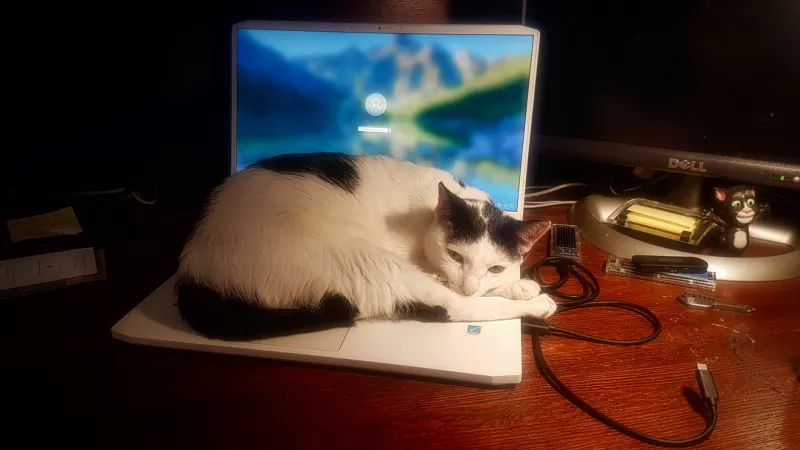
There's a corner of Reddit — and honestly, several corners of Discord — where something deeply weird and kind of beautiful is happening. Millennials, those ancient internet creatures who remember when a dial-up modem connecting successfully felt like a religious experience, are digging up meme formats that the internet declared dead a decade ago. They're dusting them off, slapping photos of their current cats on them, and reposting them with the energy of someone who just found their old iPod and it still works.
The results are chaotic. They are also, depending on your age and irony tolerance, either extremely funny or deeply confusing. Possibly both.
The Formats That Refuse to Die
Let's be specific about what we're talking about here. LOLcats — the original sin of cat internet, those pixelated images of cats with white impact font captions full of intentional misspellings — were supposed to be a relic. A museum piece. Something you explain to younger people the way you explain what a Blockbuster Video was.
And yet. Go to r/lolcats right now. Scroll for approximately forty-five seconds. You will find freshly made content. Not ironic reposts of 2008 originals. New memes, made this week, featuring people's actual living cats, formatted with the full "I CAN HAS" energy of the original era.
Same goes for rage comics. Those jagged, MS Paint-adjacent stick figures with names like Rage Guy and Forever Alone? They're back, except now the punchline is usually a cat doing something inconvenient at 3 a.m. The craftsmanship is equally terrible. The commitment is equally sincere.
"I genuinely don't know if I'm being ironic anymore," wrote one user in a thread on r/OutOfTheLoop, after posting a rage comic about their cat knocking a glass of water onto a laptop. The post got 12,000 upvotes. Nobody in the comments could tell if it was sincere either. It didn't matter. It was funny.
Nostalgia as a Weapon, Not a Feeling
Here's where it gets interesting, because calling this pure nostalgia undersells what's actually happening. Nostalgia implies a passive longing for something gone. What these millennial internet users are doing feels more aggressive than that — more deliberate.
The early internet had a specific texture. It was weird and chaotic and low-resolution and deeply democratic in the sense that anyone with Microsoft Paint and fifteen minutes could contribute something meaningful to the cultural conversation. The meme formats that emerged from that era — impact font, rage comics, the classic two-panel image macro — were built for that environment. They were accessible. They were ugly on purpose. They had no pretensions.
TikTok meme culture, for all its creativity, operates on entirely different terms. Production quality matters. Timing matters. The algorithm rewards polish and punishes anything that feels too niche or too old. There's a gatekeeping happening on TikTok, just not the kind that older internet users are used to — it's algorithmic gatekeeping, invisible and impersonal.
So the revival of dead formats in Discord servers and Reddit threads isn't just millennial nostalgia. It's a deliberate retreat to spaces and aesthetics that TikTok cannot replicate and frankly cannot understand. It's a joke that requires context the algorithm doesn't have.
The Cat as the Perfect Delivery Vehicle
None of this would work without the cat, which is where it all clicks into place.
Cats were the original internet celebrities. Before influencers, before brand deals, before engagement metrics, there was Keyboard Cat and Grumpy Cat and Maru the box-obsessed Scottish Fold from Japan. The entire first generation of internet meme culture was built substantially on the backs — and often the confused, slightly irritated faces — of domestic cats.
Using current cats to revive those formats creates a kind of temporal loop that is genuinely funny on a structural level. You're taking the new thing (your actual living pet) and forcing it into the old container (the 2008 meme format), and the resulting friction between those two elements is where the humor lives. It's the same joke as putting ancient Greek text on a modern situation, except the ancient Greek text is an impact font caption that says "CEILING CAT IS WATCHING U."
Several Discord servers dedicated to this practice have developed their own micro-hierarchies around format authenticity. There are debates — serious ones — about whether using modern high-resolution photos violates the spirit of the original LOLcat aesthetic. Some purists insist on deliberately lowering image quality before posting. Others argue that the misspellings have to follow specific grammatical rules established by the original 4chan cat threads circa 2006.
This is either the most absurd gatekeeping in internet history or a genuinely thoughtful preservation of a specific comedic tradition. Probably both.
Is It Meta-Humor or Is It Just Funny?
The honest answer is that it doesn't matter, and that's kind of the point.
One of the things that made early internet humor so durable was that it operated on multiple levels simultaneously. You could enjoy a LOLcat at face value — cat is doing something relatable, caption is funny — without engaging with any of the deeper layers of internet in-joke and self-reference. The format was accessible to newcomers while still rewarding longtime users with additional layers of meaning.
The revival works the same way. If you're twenty-two and you've never seen a rage comic, you might still find it funny that a badly drawn stick figure is upset about a cat. If you're thirty-five and you spent formative years on the old internet, you're getting a completely different joke about time and format and the specific texture of a cultural moment you remember living through.
Millennials aren't reclaiming meme culture from TikTok so much as they're building a parallel one — quieter, uglier, funnier to a specific audience, completely unbothered by the algorithm. The cats are just doing what cats have always done: serving as the perfect vehicle for human absurdity, completely unaware of the cultural significance being projected onto them.
Which is, when you think about it, the most LOLcat thing imaginable.
CEILING CAT APPROVES.