The Monthly Box That Ate Your Wallet: How Cat Subscription Services Turned Guilt Into a $2 Billion Industry
Every month, somewhere between the 15th and the 20th, a very specific kind of anxiety settles over a certain subset of American cat owners. It's not the anxiety of forgetting to pay a bill or missing a deadline. It's subtler than that, and somehow worse: the creeping feeling that your cat's life is slightly less enriched than the cats you follow online, and that a cardboard box arriving on your doorstep is the only thing standing between you and the category of Bad Pet Parent.
The cat subscription box industry would like you to feel exactly this way. It is very good at making sure you do.
From Novelty to Necessity: How the Market Exploded
The subscription box model isn't new — Birchbox launched in 2010 and basically invented the modern version of the concept. But the pet subscription vertical took a few years to find its stride, and when it did, it found it specifically through cat content online.
The logic is almost embarrassingly simple in retrospect. Cat owners were already congregating in massive online communities — subreddits, Facebook groups, Instagram comment sections, TikTok duets — and sharing content about their pets at extraordinary volume. A subscription box company doesn't need to create demand in that environment. The demand is already there, baked into the parasocial infrastructure of cat internet. You just need to show up with a product that photographs well and position it correctly.
MeowBox launched in 2013. KitNipBox followed. BarkBox, the dominant player in the dog space, eventually spun off a cat-specific line. By 2022, the global pet subscription box market was valued at over $2 billion, with cats representing a fast-growing share. In 2024, that number has climbed further, driven largely by the explosion of cat content on TikTok and the communities that formed around it.
"The unboxing video is the whole game," says one digital marketing consultant who has worked with multiple pet subscription brands and requested anonymity because, in their words, "the cat internet is surprisingly petty and I don't need that energy." "You get one cat owner to film their cat poking at the contents of a box, post it in a Facebook group or on their TikTok, and you've just made your most effective advertisement. It costs you nothing except the box."
The Guilt Loop You Can't Escape
Here's the mechanism that actually drives retention, and it's worth examining closely because it's genuinely clever in a way that should make you mildly uncomfortable.
Cat subscription services don't just sell products. They sell participation in a community. When you subscribe to a service and your cat's unboxing video gets 200 likes in a Facebook group, you're not just getting validation for the purchase — you're establishing a rhythm. You post the box, the community responds, you feel good. Next month, you post the box again. The community expects it. You've created a content obligation.
This is the parasocial loop, and it's not accidental. Several subscription services actively encourage community sharing, running monthly contests for the best unboxing photo or video. They create hashtags. They repost user content to their own social channels, giving cat owners a taste of mild viral attention that is, neurologically speaking, quite pleasant.
The result is that canceling a subscription stops feeling like a financial decision and starts feeling like a social withdrawal. You're not just stopping a monthly charge. You're opting out of a ritual that your online community has come to associate with you. Some cat owners in Reddit threads have described feeling genuine guilt about canceling — not toward the company, but toward their own pets, as though the cat will somehow notice the absence of the monthly box and feel unloved.
"My cat has literally never cared about any of the toys," wrote one user on r/Frugal. "She plays with the crinkle paper they use as packing material. I have spent $600 on this subscription and she is entertained by trash. I am still subscribed."
The replies were sympathetic. Several people admitted to the same situation.
The FOMO Architecture
Subscription marketers in the pet space have become extremely sophisticated about deploying Fear Of Missing Out as a retention tool, and cat owners are a particularly susceptible target demographic.
Limited edition boxes tied to seasons, holidays, or trending meme moments create artificial urgency. "Spooky Season" boxes in October. "Cottagecore Cat" boxes in spring. Collaborations with viral cat accounts that produce exclusive merch available only to subscribers that month. The message is consistent: if you're not subscribed right now, your cat is missing something that other cats are getting. Other cats whose owners clearly love them more.
The language used in marketing emails is worth examining. Phrases like "your fur baby deserves this" and "treat them the way they treat you" (which, given that cats occasionally treat us with complete indifference, is a confusing message) are doing a lot of emotional work. They're not selling a product. They're selling an identity: the identity of the attentive, generous, internet-savvy cat parent.
Spending data reflects how effective this is. According to the American Pet Products Association, Americans spent over $150 billion on their pets in 2023, with a meaningful portion of that representing subscription and recurring purchases that didn't exist as a category fifteen years ago.
The Content Treadmill
There's a second layer to this that doesn't get discussed enough, which is what the subscription box model does to the actual content creators in the cat space.
For cat accounts with any significant following, there's a slow pressure to maintain a certain production level — new toys, new treats, new accessories — because that's what their audience has come to expect. A cat account that posts the same toy three months in a row starts feeling stale. The subscription box model provides a convenient and monetizable solution to this problem: partner with a subscription service, get boxes for free or at a discount, film the unboxing, maintain the content calendar.
This creates an entire ecosystem where subscription services and cat content creators are mutually dependent in ways that aren't always transparent to the audiences watching. The unboxing video feels spontaneous and joyful. It is also, frequently, a paid or gifted arrangement.
None of this makes the cat any less cute. But it does mean that the monthly box arriving on your doorstep is the product of a surprisingly sophisticated machine that has been carefully designed to make you feel, every single month, that buying it was your own idea.
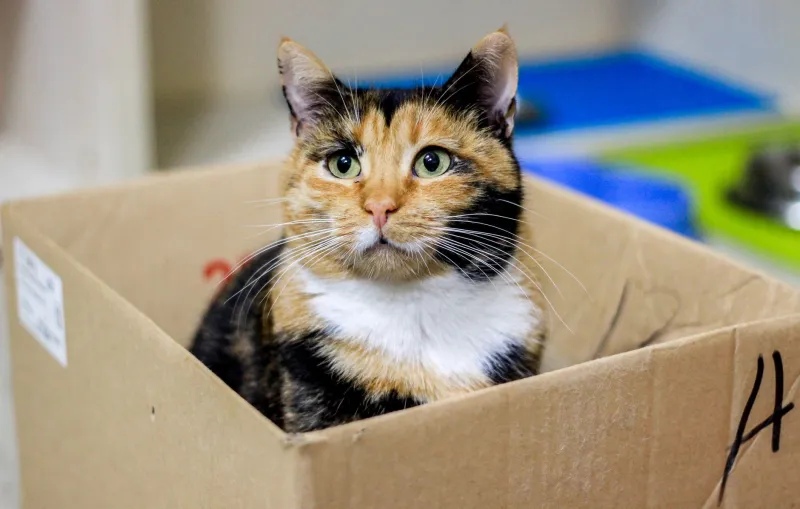
Your cat, for the record, would like you to know that the cardboard box itself was the good part all along.