From Heartwarming to Hollow: The Slow Rot at the Core of Cat Content
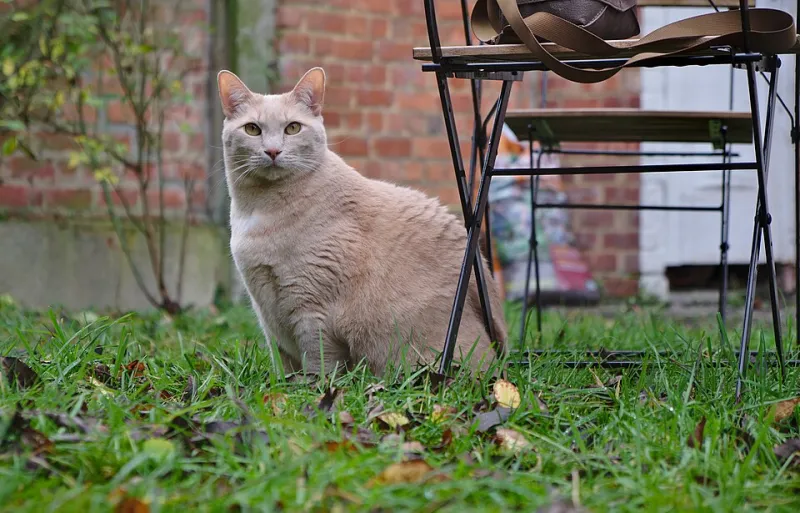
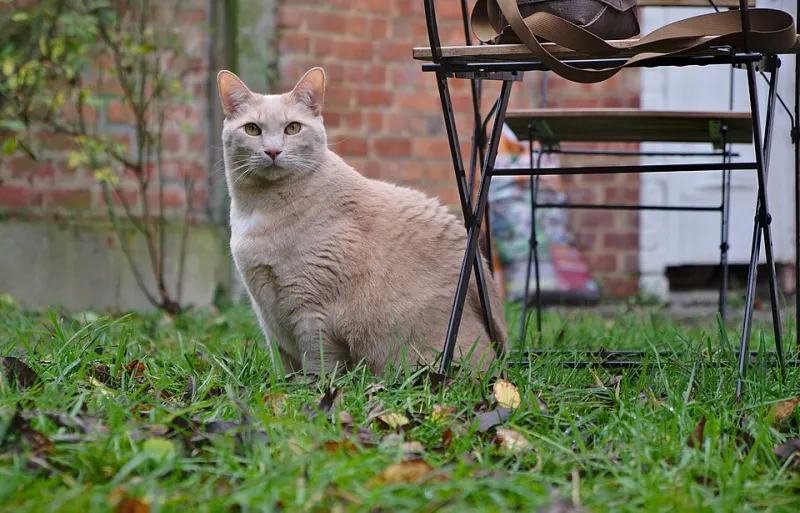
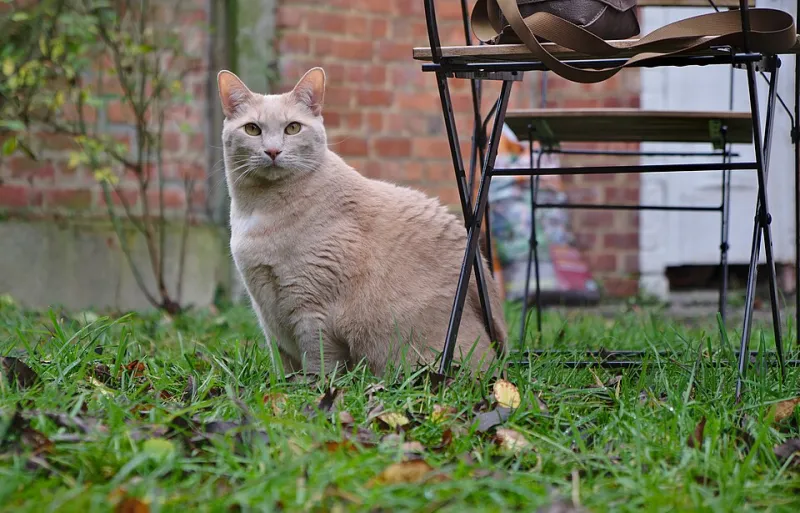
Photo: Trougnouf, CC BY 4.0, via Wikimedia Commons
There was a time—not even that long ago, honestly—when cat content was the internet's purest resource. A grainy iPhone video of a tabby attempting to fit inside a cereal box. A single photo of a grumpy Persian staring into the void like she'd seen things. No ring light. No strategy. No brand deal with a freeze-dried salmon company. Just a cat being a cat, witnessed by a human who had the decency to film it.
That era is over. And if you've spent more than twenty minutes scrolling your cat-heavy FYP lately, you already know it.
The Baseline Kept Moving and Nobody Noticed Until It Was Too Late
The shift didn't happen overnight, which is exactly why it was so easy to miss. It was gradual. Incremental. A slow creep from authentic to engineered that followed the same arc as every other content genre the algorithm eventually consumed.
In 2019, a cat video needed maybe one funny element to perform: a weird sound, an unexpected reaction, a particularly judgmental expression. By 2021, that same video needed a trending audio track, a hook in the first two seconds, and ideally a moment that could be clipped into a reaction meme. By 2023, creators were building entire narrative arcs around their cats—complete with villain edits, dramatic music swells, and carefully timed "plot twists" that required multiple takes and, in some cases, actual prop departments.
We are now, without exaggeration, in an era where people are constructing storylines for their cats. Recurring characters. Feuds. Redemption arcs. One creator on TikTok spent three weeks developing a bit where her Maine Coon was "running for mayor" of her apartment, complete with campaign posters and a fake debate against the family dog. It hit 4 million views. It also required approximately forty hours of production time for content featuring an animal that spent most of the shoot trying to eat the props.
The Creators Who Burned Out and Lived to Tweet About It
Talk to any cat creator who's been doing this for more than two years and you'll find the same exhaustion underneath the cheerful thumbnails. The ones willing to be honest about it describe something that sounds less like hobby content and more like a second job with a particularly demanding, fur-covered boss.
"I used to post when something genuinely funny happened," one mid-sized creator—around 380,000 followers across platforms—told us, asking to remain anonymous because, and this is a direct quote, "my audience thinks my cat and I are best friends and I don't want to ruin that." "Now I'm engineering situations. I'm buying new objects just to film my cat's reaction. I'm rearranging furniture for better lighting. My cat has no idea any of this is happening and honestly she seems annoyed at me most of the time."
Another creator, who built a following around her two Scottish Folds, described spending an entire Saturday attempting to recreate a viral "cat discovers cucumber" moment from 2015 because her analytics showed nostalgia content was performing well. "It didn't even work," she said. "One of them just walked away and the other one ate it. I posted it anyway with a trending sound and it did fine. That's the part that messes with your head."
The content "did fine" despite being entirely manufactured. The algorithm couldn't tell the difference. Neither, apparently, could most of the audience.
Platform Metrics Ate the Genre Alive
Here's the uncomfortable structural reality underneath all of this: the platforms themselves incentivized the rot. Every major metric shift over the past five years has pushed cat content further away from authenticity and closer to emotional manipulation.
Watch time rewards escalation. Shares reward shock. Comments—which every platform weights heavily—reward controversy, cuteness overload, and anything that makes someone tag their friend with "this is literally your cat." The result is a content environment that systematically punishes the quiet, unremarkable, genuinely real moments in favor of anything that triggers an immediate, measurable reaction.
A cat sitting in a sunbeam looking peaceful? Low engagement. A cat apparently "judging" its owner during a vulnerable moment set to a trending audio clip about self-worth? Enormous engagement. The algorithm doesn't care which one is real. It only cares which one made people stop scrolling.
Creators learned this lesson fast, because they had to. The ones who didn't adapt watched their reach collapse. The ones who did adapt started producing content that looks like cat videos but functions more like emotional bait—carefully constructed to hit specific psychological triggers in a specific sequence.
The Audience Isn't Innocent Either
Look, we're going to say the uncomfortable part out loud: the audience trained the algorithm that trained the creators. Every time you watched a staged "dramatic cat confrontation" to completion, you told the platform that was worth promoting. Every time you skipped the low-key video of someone's cat just existing quietly in an afternoon, you told the platform that wasn't.
The feedback loop is airtight. Viewers want hits, not warmth. They want the thing that makes them laugh loudly enough to justify pausing whatever else they were doing. Authentic cat content—the slow, meandering, genuinely unscripted stuff—doesn't always deliver that. So it gets buried, and the manufactured version rises, and eventually the manufactured version becomes the baseline, and then creators have to manufacture even harder to stand out from all the other manufacturers.
This is enshittification in its purest form, applied to the internet's most beloved content category. Cory Doctorow coined the term for platform decay, but the same principle applies here: what begins as a good thing gets gradually optimized into a husk of itself.
There Are Still Holdouts—But They're Getting Harder to Find
None of this means authentic cat content is extinct. It's still out there, alive and genuinely delightful, usually posted by people who have no idea what a content calendar is and would be baffled by the concept of a "hook." A retired teacher in Ohio whose cat does something weird every Thursday. A college student who occasionally films their roommate's ancient, opinionated Siamese. These accounts exist. They perform modestly. The algorithm doesn't love them.
If you want to find them, you have to actively seek them out, which feels like an increasingly countercultural act. Deliberately choosing the low-engagement, unpolished, real thing over the high-production emotional manipulation machine. Revolutionary behavior, in the year of our lord 2025, to simply want to watch a cat be a cat.
CatPepe will be here, in the wreckage of the genre, pointing at the authentic stuff whenever we find it. Consider it a public service. Consider it resistance. Consider it, at minimum, a reason to keep your notifications on.