How the Platforms That Cats Built Are Now Quietly Burying Them Alive
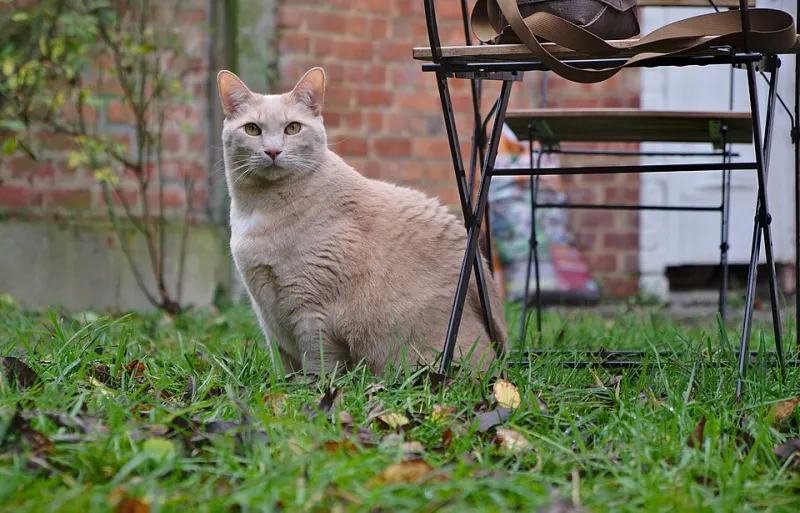
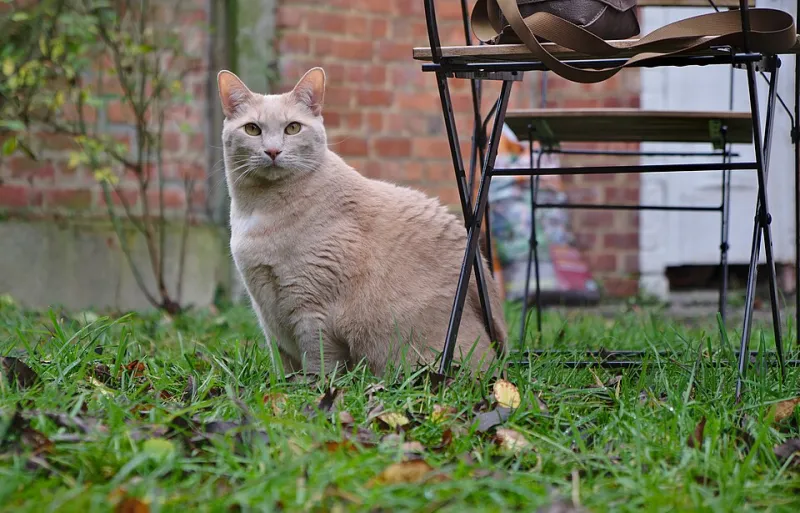
Photo: Trougnouf, CC BY 4.0, via Wikimedia Commons
Let's set the scene. It's 2009. You've just discovered Reddit. Someone has posted a blurry photograph of a cat sitting in a salad bowl, looking personally offended by the existence of romaine lettuce. You laugh so hard you nearly fall off your ergonomic chair. You bookmark the subreddit. You come back tomorrow. And the day after that. For years, this is your religion.
Fast forward to right now. Open any of these platforms. Scroll for thirty seconds. What do you find? A sponsored AI-generated cat with suspiciously perfect fur shilling a supplement brand. A verified influencer cat with a PR manager, a merch line, and a copyright claim on the word "meow." An autoplay ad disguised as organic content. And somewhere, buried so deep in the algorithm it might as well be in a submarine, is the actual stuff — the real, unhinged, beautiful nonsense that made the internet worth showing up to in the first place.
This is the great cat content enshittification. And it's been happening slowly enough that most of us didn't notice until it was already too late.
What "Enshittification" Actually Means (And Why Cats Are the Perfect Case Study)
The term — coined by writer Cory Doctorow — describes a pretty simple cycle: platforms attract users with something genuinely good, then slowly degrade that experience to extract money from both users and advertisers, until the thing that made the platform worth using is basically unrecognizable. It's been applied to Amazon, Uber, Facebook. But nobody talks about how perfectly it maps onto cat content.
Cats were the original retention mechanism. Not because some product manager decided they would be — because actual human beings, sitting alone in their apartments at 2 a.m., uploaded pictures of their weird little animals doing weird little things, and other human beings responded with genuine delight. Zero budget. Zero strategy. Just pure, chaotic feline energy meeting an audience that desperately needed to laugh.
That organic loop — upload, delight, repeat — is what built r/cats into one of Reddit's largest communities. It's what made Twitter feel like a place worth checking. It's what gave TikTok its early addictive quality before the algorithm started feeling like it was designed by someone who had never experienced joy.
Reddit's Slow Betrayal of the Cat Subreddits
Remember when Reddit went public and then immediately made API access so expensive that every major third-party app died overnight? The 2023 API pricing debacle didn't just kill apps like Apollo — it fundamentally disrupted the moderation infrastructure that kept communities like r/cats, r/IllegallySmolCats, and r/thecatdidwhat functional and human.
Volunteer moderators — the unpaid, slightly obsessive people who kept the spam out and the vibes good — burned out or walked off. The subreddits that survived became harder to navigate on mobile, which is where most Americans actually use Reddit. Traffic dropped. Engagement fragmented. And into that vacuum poured exactly the kind of content nobody asked for: low-effort reposts, AI-generated cat images that look slightly wrong around the eyes, and promotional accounts for cat food brands that have never once been funny.
The subreddits still exist. But they feel like someone left the lights on in a house where the family already moved out.
Twitter Became X and the Cats Did Not Survive the Transition
If Reddit's problem is neglect, Twitter's — sorry, X's — problem is something closer to active hostility toward the conditions that made it worth using.
Cat content thrived on Twitter because of the reply ecosystem. The joke would land in the tweet, but the real comedy happened in the quote-tweets, the replies, the whole cascading thread of strangers riffing off each other. It was collaborative, spontaneous, and essentially free. Then came the verification overhaul, the algorithmic shift toward paying subscribers, and the systematic deprioritization of accounts that don't generate ad revenue.
Now the For You feed on X reads like a fever dream assembled by an algorithm that was trained on engagement bait and then had a breakdown. Cat content still exists there, but it's competing with rage-farming political posts and promoted tweets from accounts with blue checks they paid for. The cats didn't leave. The platform just stopped caring whether you saw them.
TikTok's Algorithm Ate Itself
TikTok is the most complicated case because it genuinely did something incredible with cat content for a while. The For You Page felt, in its early days, almost telepathic — like it actually understood that you needed to watch a Maine Coon attempt to fit into a cardboard box three sizes too small at 11:30 on a Tuesday.
But TikTok's algorithm optimizes for watch time and completion rates, which sounds neutral until you realize what that actually produces at scale. Longer videos. More produced content. Professional setups. Cats with lighting rigs and editing teams and brand deals baked into the first three seconds. The genuine stuff — filmed in bad lighting, slightly shaky, uploaded by someone who just thought their cat was being hilarious — gets deprioritized because it doesn't perform as cleanly against the metrics.
And then there's the AI slop problem. Generated cat videos — smooth, slightly uncanny, endlessly optimized for the algorithm — are flooding the platform. They get views because the algorithm can't tell the difference between a real cat being accidentally funny and a synthetic cat engineered to appear that way. The humans can tell. But by the time you've registered the wrongness, you've already watched 60% of the video, and the algorithm has already counted that as a win.
What Gets Lost When the Cats Get Buried
Here's the thing that gets lost in the conversation about platform economics and engagement metrics: cat content was never just entertainment. It was a genuine social glue. Shared across political divides, age gaps, cultural differences. The cat sitting in the salad bowl didn't care about your opinions on anything. It just sat there, offended by lettuce, and for a moment everyone who saw it was on the same team.
When platforms systematically devalue that content in favor of monetizable, produceable, brand-safe alternatives, they're not just changing what shows up in your feed. They're dismantling one of the few things the internet actually did well — create a shared, low-stakes space for collective delight.
Where Do the Cats Go From Here?
Some of them are migrating. Bluesky has seen genuine cat content communities form in ways that feel closer to early Twitter. Private Discord servers dedicated to specific cat breeds have become genuinely warm, weird little communities. Newsletters. Group chats. The cats are going where the people who actually care about them are going — off the main platforms, into the margins, into the spaces that haven't been fully optimized yet.
Which means the future of genuine cat content might look less like a viral moment and more like a neighborhood. Smaller. More intentional. Less visible to the algorithm, but more visible to the people who actually show up.
The platforms built their empires on cats being free, chaotic, and everywhere. Now they're paying the price for making that impossible. And the cats, as always, are completely unbothered — they've already found somewhere else to sit.